The right countertop cabinet pairing can make your ordinary kitchen the showstopper of your home. Cabinets and countertops are the foundations of kitchen design. They define both how your kitchen works and looks. My clients often feel overwhelmed by all the kitchen cabinet ideas out there—from classic white cabinets with elegant marble to striking dark cabinetry that becomes the room’s focal point.
But looks aren’t everything. A kitchen needs to nail both beauty and practicality. On top of that, it needs to create a cohesive appeal for a well-balanced look. Small countertop cabinets and freestanding options can add extra storage while matching your main cabinetry—something I’ve seen work wonders. Your dream kitchen deserves a countertop cabinet with drawers that combines style and function. This piece will help you create perfect pairings that last and showcase your unique style.
Classic and Timeless Pairings
My design experience has taught me that some countertop and cabinet combinations never lose their appeal. These classic pairings create spaces that stay fresh and relevant through the years. Here are the most lasting combinations that remain stylish.
White cabinets with marble or quartz countertops
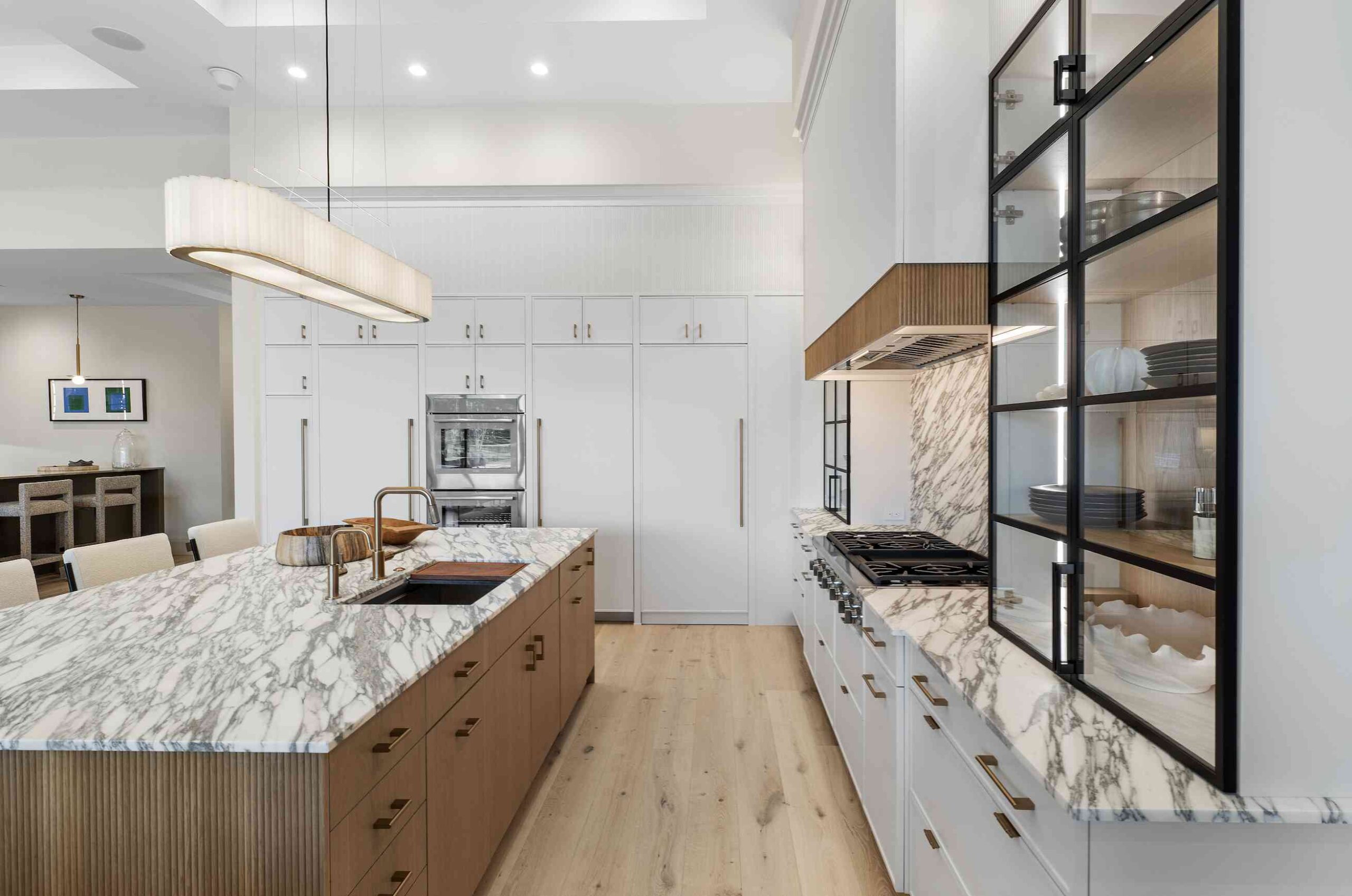
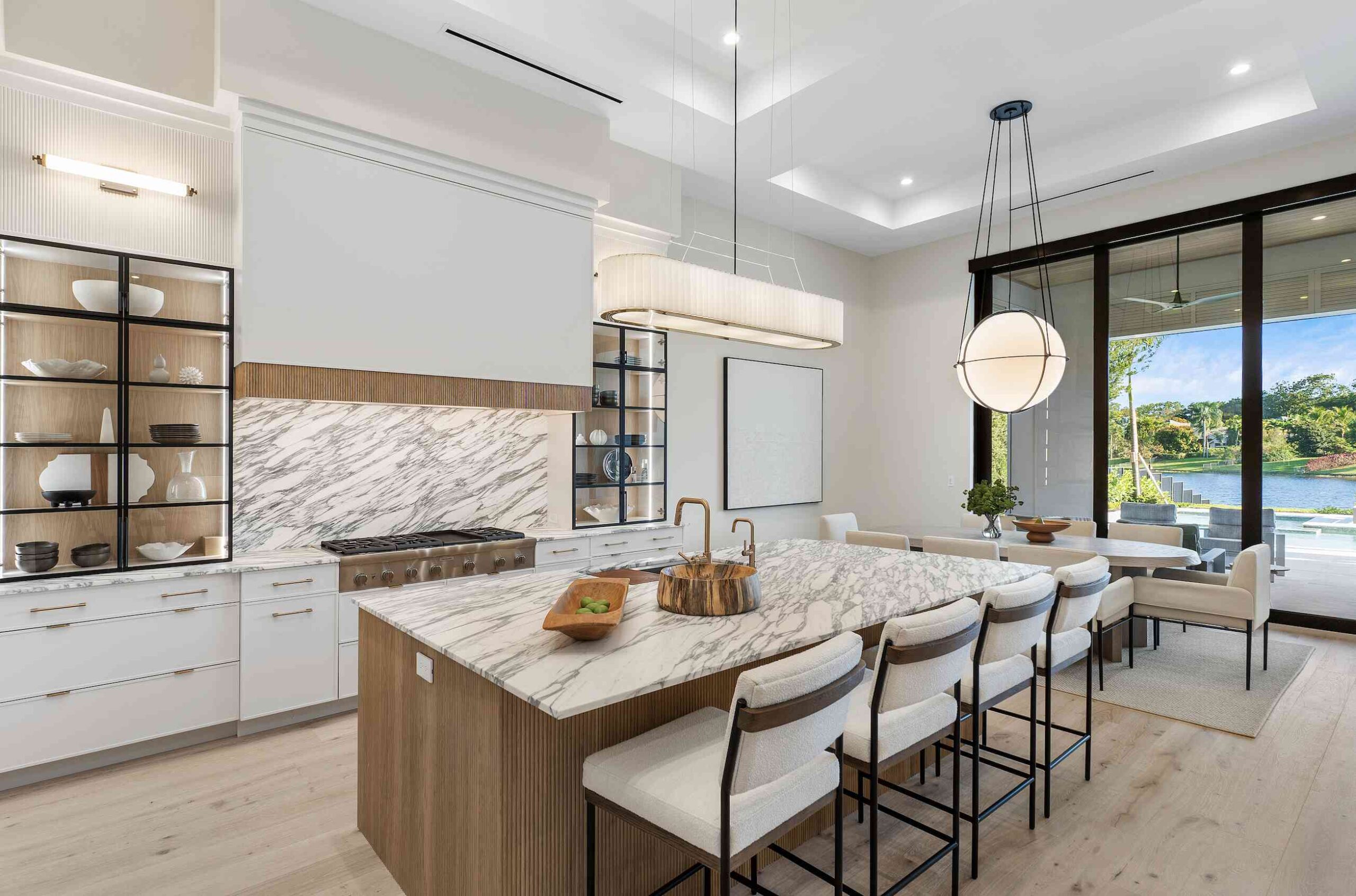
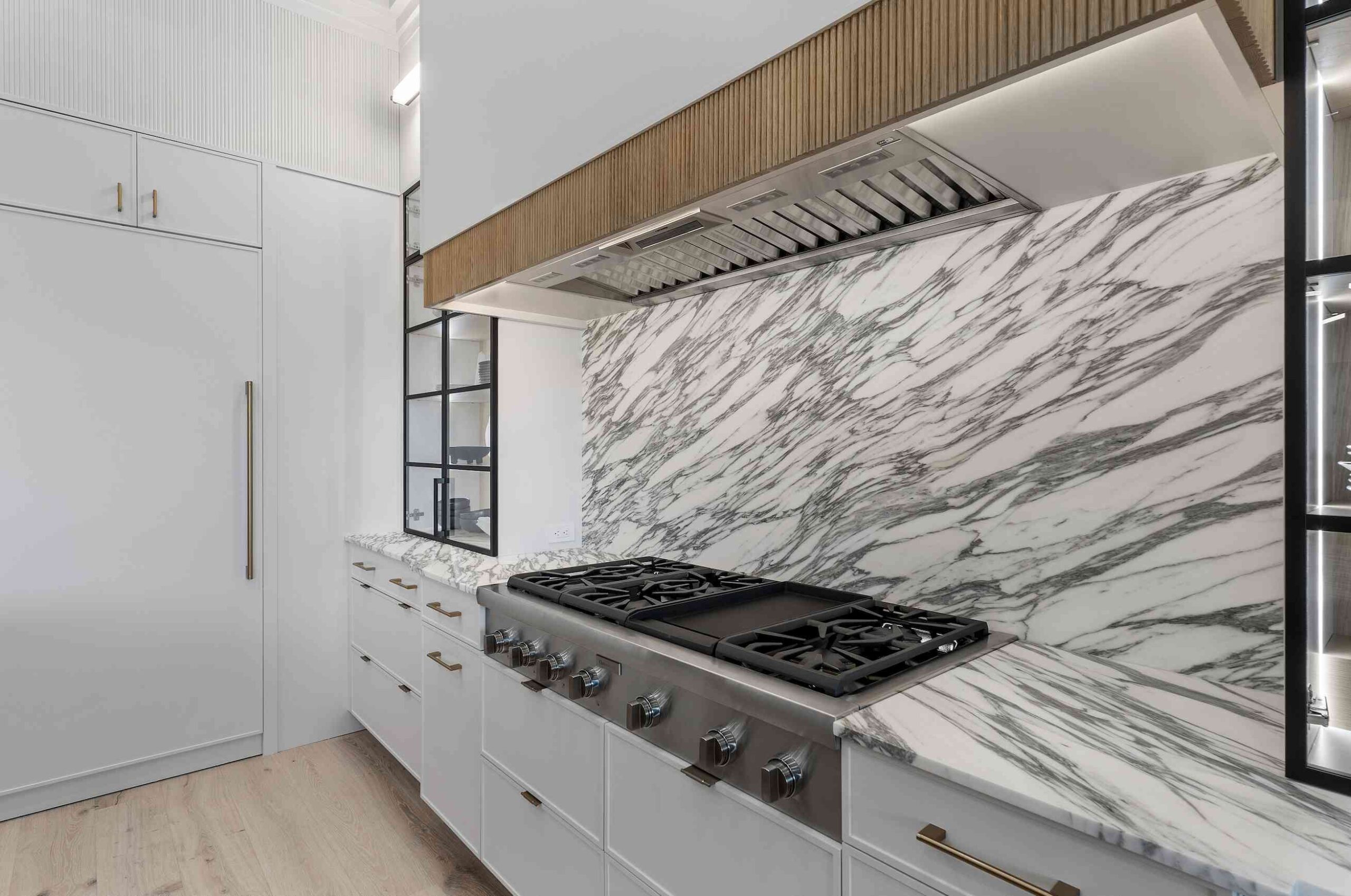
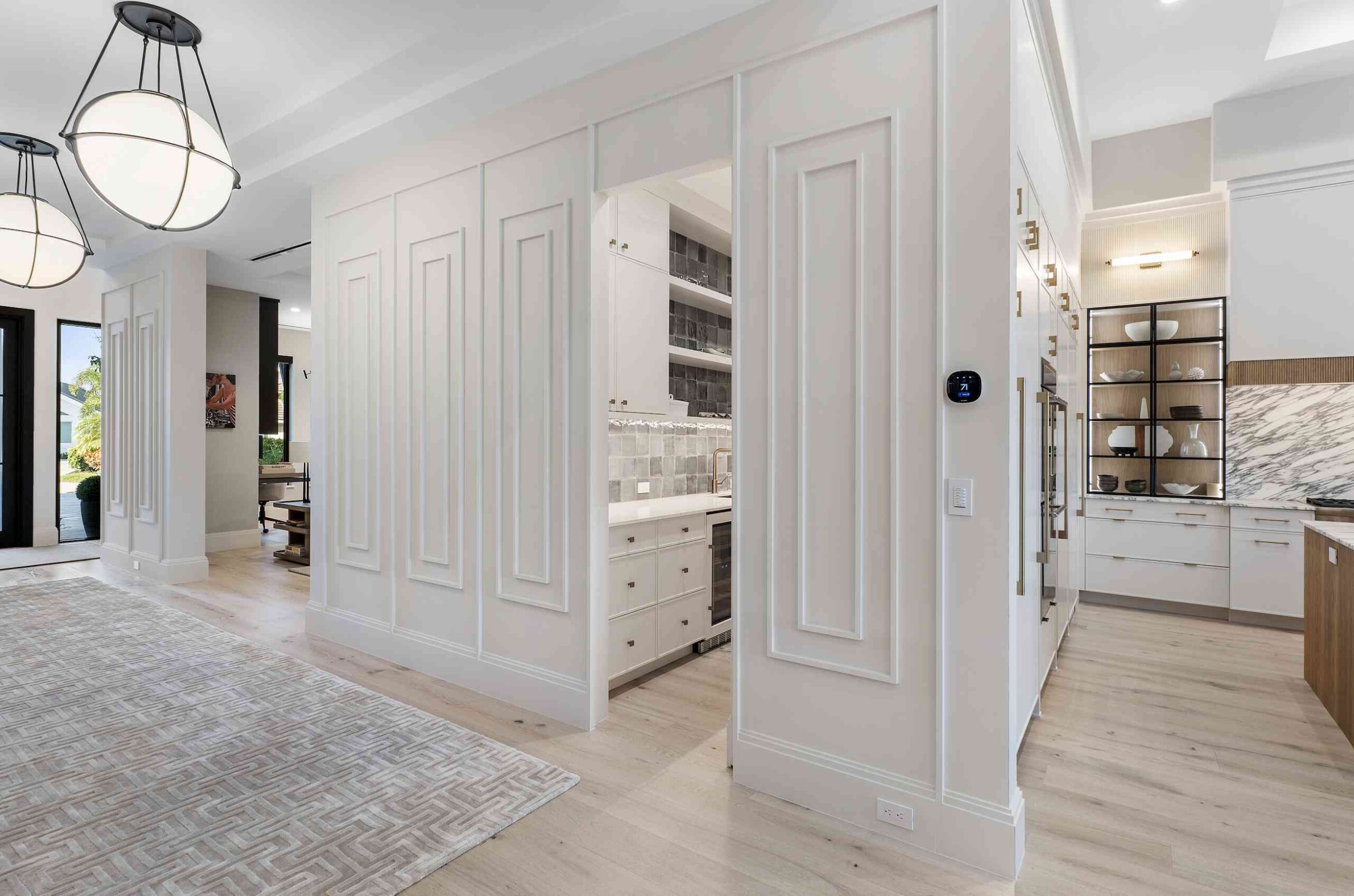
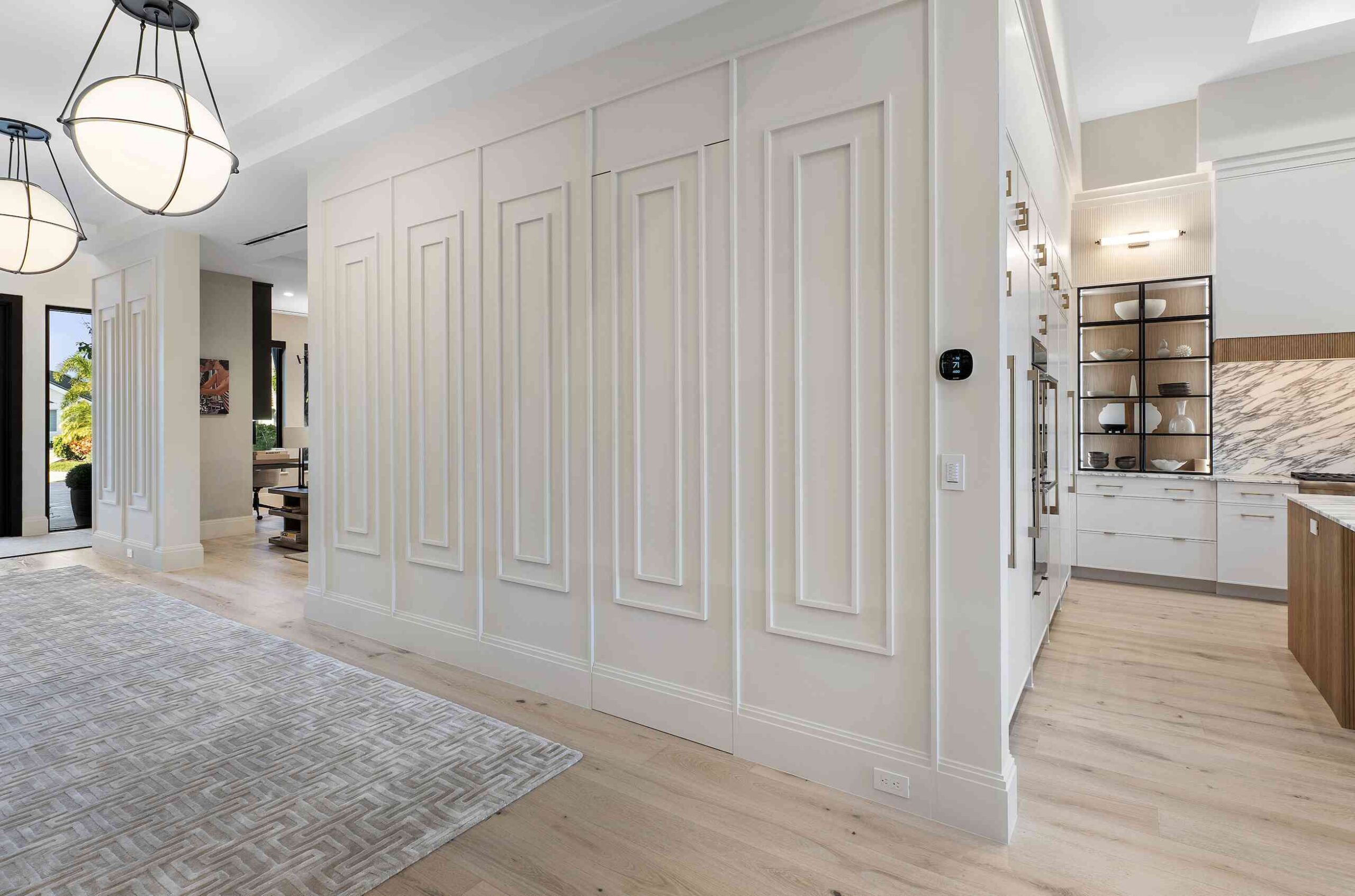
White cabinets with marble or quartz countertops bring unmatched brightness that changes any kitchen’s look. This pairing works as a blank canvas and adapts to any kitchen style—contemporary, transitional, farmhouse, or beach-inspired. You can easily update the look by switching decorative elements like lighting fixtures or counter stools.
Marble’s unique veining adds character to white cabinetry. White cabinets paired with gray marble countertops create subtle tonal variations that make the kitchen more interesting. Polished marble has a smoother, less porous surface than matte finishes, which helps protect against staining. Direct light tends to make imperfections more visible.
Quartz countertops that look like marble give you the natural beauty with easier upkeep. These surfaces resist heat, scratches, and stains with proper sealing—making them perfect for busy homes.
Natural wood cabinets with light granite or quartz
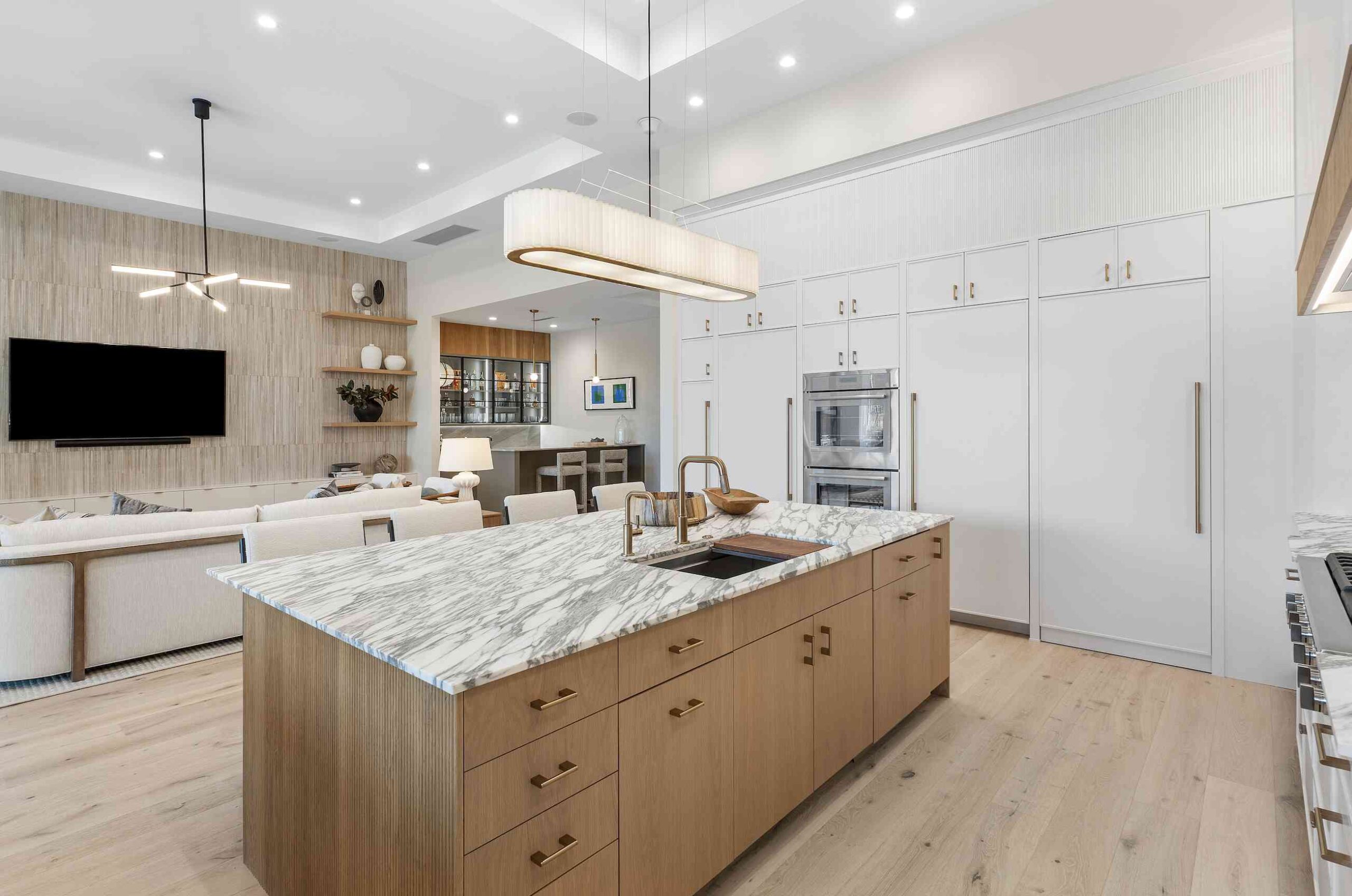
Natural wood cabinets paired with light-colored stone create a balanced, warm atmosphere. Cherry cabinets’ rich red-brown tones go together with marble’s intricate veining. Oak cabinets look best with lighter granite shades like rose or light brown that boost the wood’s natural beauty.
Light blonde woods like birch, ash, and beech look stunning with white countertops and create an inviting feel in open spaces. Gray-stained wood cabinets pair well with white quartz that has bold veining patterns.
Success comes from balanced tones—warm-toned woods like cherry or oak align with warm-toned granite. Cool-toned woods such as ash or maple look better with cooler granite shades.
Neutral-on-neutral combinations for a soft look
Neutral-on-neutral pairings create a soothing, elegant, and timeless esthetic. These gentle combinations—coconut, shell, latte, or taupe—keep their style for years.
Neutral kitchens offer subtle variations that add dimension to the space. These kitchens use delicate tonal shifts instead of stark contrasts to create visual interest. The surfaces work together without competing for attention.
A small countertop cabinet in matching neutral tones can add storage without disrupting your kitchen’s peaceful look. A freestanding countertop cabinet gives you extra workspace in neutral kitchens with limited counter space. Countertop cabinets with drawers provide versatile storage while keeping the kitchen’s cohesive appearance.
Bold and Modern Combinations
Designers who want to make a statement can choose bold and modern combinations that create dramatic visual effects while keeping balance. These pairings bring personality and contemporary edge to spaces.
Dark cabinets with white or light countertops
Dark cabinetry paired with light surfaces creates sophisticated drama in any kitchen. The combination of espresso or matte black cabinets with bright white quartz delivers sophisticated style that looks even better with under-cabinet lighting and coordinated fixtures. This pairing grounds the kitchen’s visual appeal and allows everything above the countertop to feel open and airy.
Black soapstone countertops paired with dark cabinets contribute to a beautiful contrasting scheme. Nature-inspired materials throughout the space can warm up this contemporary look. Rustic Alder wood cabinets matched with black soapstone add texture and character that brings warmth to an efficient design.
Small spaces benefit from a freestanding countertop cabinet in dark tones that adds storage without dominating the room.
Two-tone cabinets with unified countertop design
Two-tone cabinetry naturally draws the eye. Dark lower cabinets combined with lighter upper ones create structure and dimension, while a consistent white countertop brings these distinct elements together. This approach gives kitchens an organized and contemporary appearance.
Glossy contemporary two-tone kitchens showcase sleek shine and dramatic contrast. High-gloss cabinetry in complementary colors—typically a bright neutral paired with a dark or vibrant hue—reflects light beautifully. Navy blue and white cabinets matched with brass hardware create an approachable yet sophisticated look.
A small countertop cabinet featuring a contrasting finish helps extend this two-tone concept to accessory pieces.
Bold countertops with subtle cabinet finishes
Statement countertops with dramatic veining or patterns work best with understated cabinet finishes. Marble-look porcelain countertops bring sophistication with better durability than natural stone. Porcelain slabs extended up the backsplash highlight their richness on both horizontal and vertical surfaces.
Marquina Midnight Quartz creates eye-catching drama with its deep black background and electric white veining. This sophisticated centerpiece looks stunning next to simple white cabinets.
Neutral-finished countertop cabinets with drawers provide storage solutions without competing with bold countertop designs.
Design Rules for Perfect Pairing
My experience guiding clients through kitchen design has shown that successful countertop-cabinet combinations follow specific principles. These basic rules create harmony whatever your priorities might be.
Avoid bold-on-bold combinations
Your kitchen can feel chaotic if cabinets and countertops compete for attention. A dramatic countertop with heavy veining or patterns needs simpler cabinet styles to balance it out. The same applies in reverse – statement cabinetry looks best with subtle countertops. One element should take center stage while others play supporting roles. A neutral-toned small countertop cabinet works great next to bold primary cabinetry.
Match tones, not just colors
People often overlook mismatched undertones in their design. You might love both soft white quartz and ivory cabinets, but they’ll clash if one has yellow undertones while the other leans pink. Samples should always be placed together to check if they share similar temperature families—warm with warm, cool with cool. This rule works the same way for freestanding countertop cabinets to keep your space cohesive.
Use samples side-by-side before finalizing
Small samples alone shouldn’t drive your final decisions. Cabinet doors and countertop swatches need to be brought into your actual kitchen space. Colors appear drastically different under natural daylight versus evening artificial light, so view them in both conditions. Take a few steps back to see samples from different angles and distances, just as you would while standing at your sink or stove.
Balance cabinet hardware with surface tones
Hardware brings your design together beautifully. Warm-toned countertops pair well with gold or brass hardware, while bold dark surfaces look stunning with matte black hardware. Countertop cabinets with drawers need consistent hardware finishes throughout your kitchen to create a polished, cohesive look that raises the entire space’s appeal.
Functionality and Material Considerations
Your kitchen materials need to look good and work well for daily use and long-term durability. My clients learn quickly that beauty and performance go hand in hand.
Durability of quartz, granite, and marble
Stone materials offer different levels of durability. Quartz tops the list as the most durable option. This engineered stone combines crushed quartz with resins to create a surface that resists scratches and chips without needing sealing. A well-maintained quartz countertop lasts 10-15 years but can serve 50-100 years in ideal conditions.
Granite stands out with its heat resistance. It handles temperatures up to 1200°F while quartz tops out at 185°F. This natural stone scores 6-7 on the Mohs hardness scale and lasts a century with proper care.
Marble brings unmatched elegance but scores lower (3-5 on Mohs scale) and needs careful attention. Bakers love marble’s naturally cool surface, which makes up for its extra maintenance needs.
Choosing stain-resistant and easy-to-clean surfaces
Non-porous materials work best against kitchen spills. Quartz shines here—it fights off liquids, bacteria, and stains without sealing. You just need soap and water to keep it clean.
Sealed granite keeps bacteria away and looks great. Without sealing, granite needs yearly maintenance to prevent stains—something busy families should think about.
Solid surface countertops (like Silestone) give you a budget-friendly choice that fights water and stains while staying easy to maintain.
Cabinet finishes that resist wear and moisture
Humid areas need special finishes. Laminate finishes combine decorative paper with resin backing to create water-resistant surfaces that clean up fast. Thermofoil wraps vinyl around engineered wood through heat and pressure to protect against moisture.
Painted wood cabinets work well with protective topcoats. Water-resistant acrylic paints plus clear sealants stop peeling in damp spots. Polyurethane coatings give the best protection against water and steam.
When to use a freestanding countertop cabinet
Freestanding cabinets rest on legs or casters instead of wall mounts. These pieces add flexibility to your kitchen setup. You can move them around as your needs change—perfect for kitchens that evolve over time.
These cabinets let you clean everywhere, even underneath—something fixed cabinets don’t allow. Models with lockable casters work better than fixed legs for most people.
Best uses for a countertop cabinet with drawers
Drawered countertop cabinets help you stay organized without wasting space. They store cooking tools, spices, or small appliances that would crowd your workspace. Busy kitchens benefit from these units because they keep frequently used items close by.
Small kitchens with limited counter space need slim-profile designs that add storage without taking up work area. Look for adjustable shelving or specialized drawer organizers that fit various kitchen items.
Conclusion
The right countertop cabinet pairing ended up reshaping your kitchen into a harmonious space that balances style and functionality. My years as a designer have shown me how the perfect combinations create kitchens that feel both timeless and personal. Your choices should reflect your lifestyle and esthetic priorities, whether you love classic white cabinets with marble or a bold two-tone design.
Successful pairings follow simple principles whatever style you choose. Let one element take center stage while others play supporting roles. Your color combinations work best when undertones match. Samples viewed together in your kitchen’s actual space under different lighting conditions will help avoid getting pricey mistakes.
Practical matters deserve equal attention alongside looks. Quartz gives you exceptional durability with minimal upkeep, while granite’s superior heat resistance makes it a solid choice. Cabinet finishes like laminate and thermofoil handle moisture and daily wear well. Small countertop cabinets with drawers or freestanding options can improve functionality without compromising style.
Your kitchen’s best design combines beauty with practicality. These countertops and cabinets are major investments you’ll use daily for years. Time spent thinking over both looks and performance will give you a kitchen that’s not only stunning but works perfectly for your needs. These guidelines will help you create a kitchen that’s uniquely yours and stands the test of time.
FAQs
Q1. How do I choose countertops that match my cabinets? When selecting countertops to match your cabinets, focus on coordinating color temperatures. For a cohesive look, choose countertop and cabinet colors from the same family, but avoid matching them too closely. For example, pairing a warm gray quartz countertop with light gray cabinetry creates a layered yet harmonious appearance.
Q2. What are the most durable countertop materials? Quartz is considered one of the most durable countertop materials. It’s highly resistant to scratches and chips, and doesn’t require sealing. Granite is another excellent choice, offering superior heat resistance and longevity. With proper care, both materials can last for decades.
Q3. Are dark cabinets with light countertops a good combination? Yes, dark cabinets paired with light countertops create a striking and sophisticated contrast. This combination adds drama to the kitchen while maintaining visual balance. It’s particularly effective when combined with under-cabinet lighting and coordinated fixtures to enhance the overall esthetic.
Q4. What are the benefits of a freestanding countertop cabinet? Freestanding countertop cabinets offer flexibility in kitchen layouts, as they can be easily moved or repositioned. They provide additional storage and work space, and are easier to clean around compared to fixed cabinets. These versatile pieces are especially useful in kitchens that need adaptable storage solutions.
Q5. How can I create a timeless kitchen design?