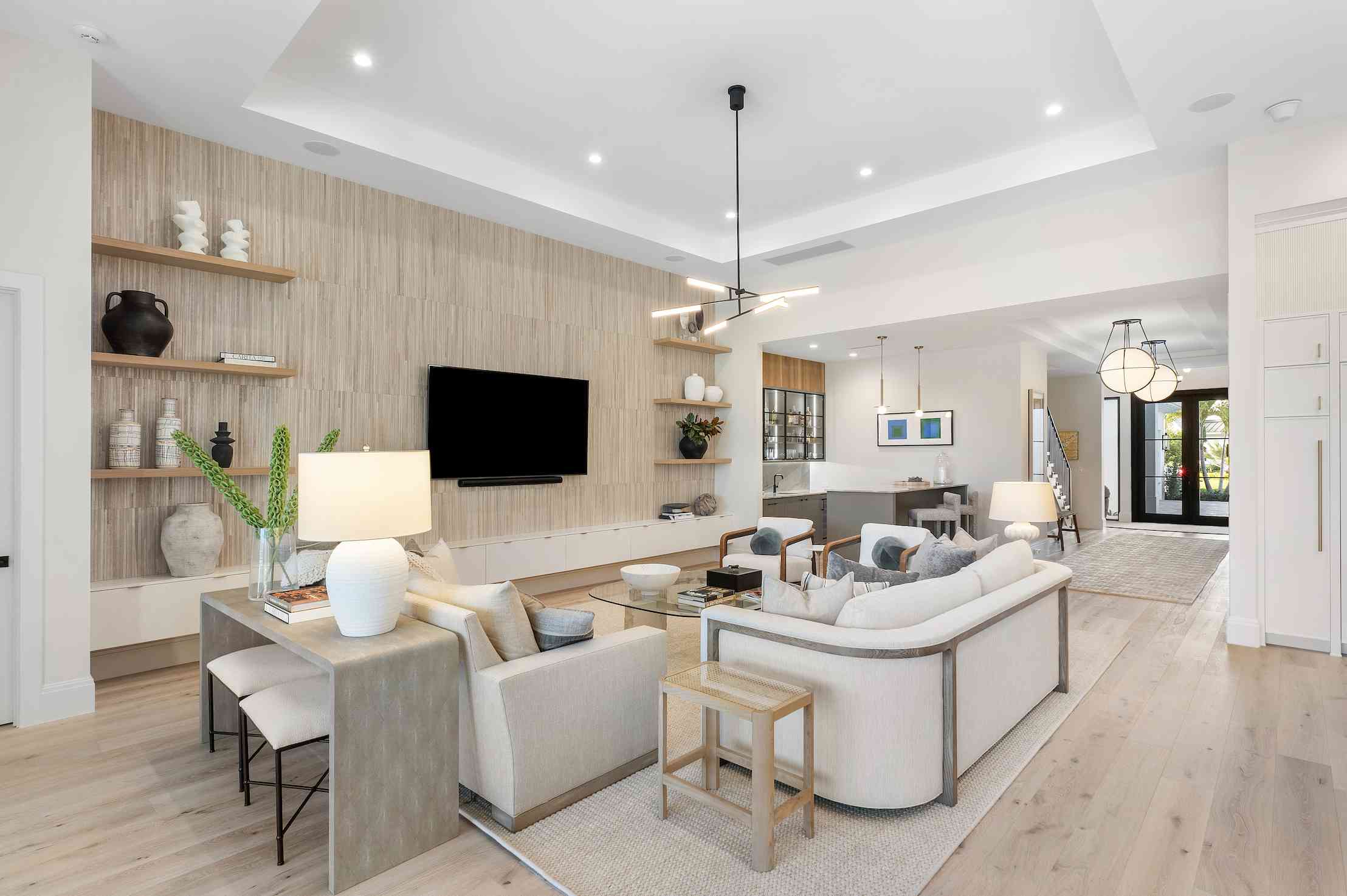
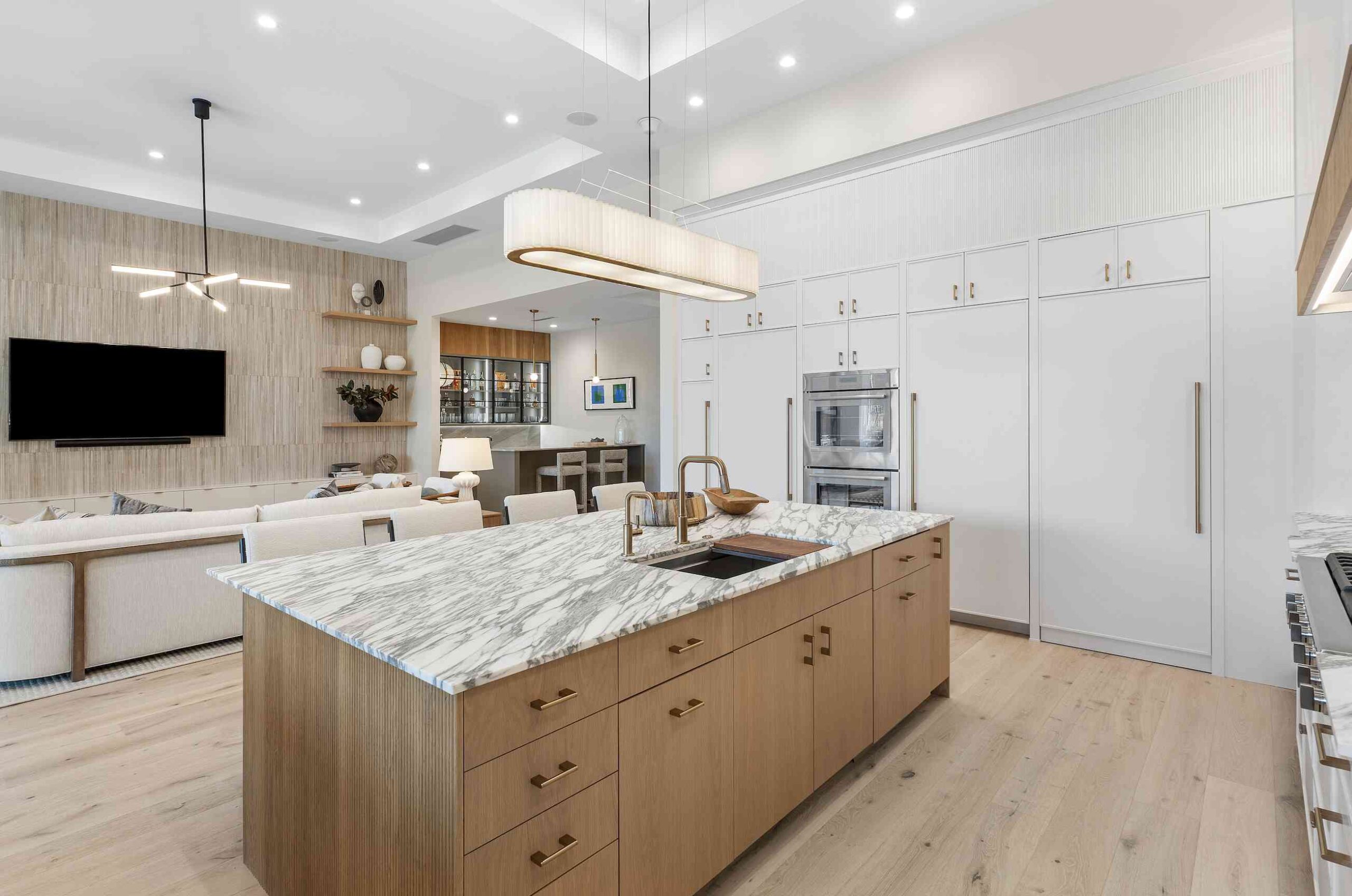
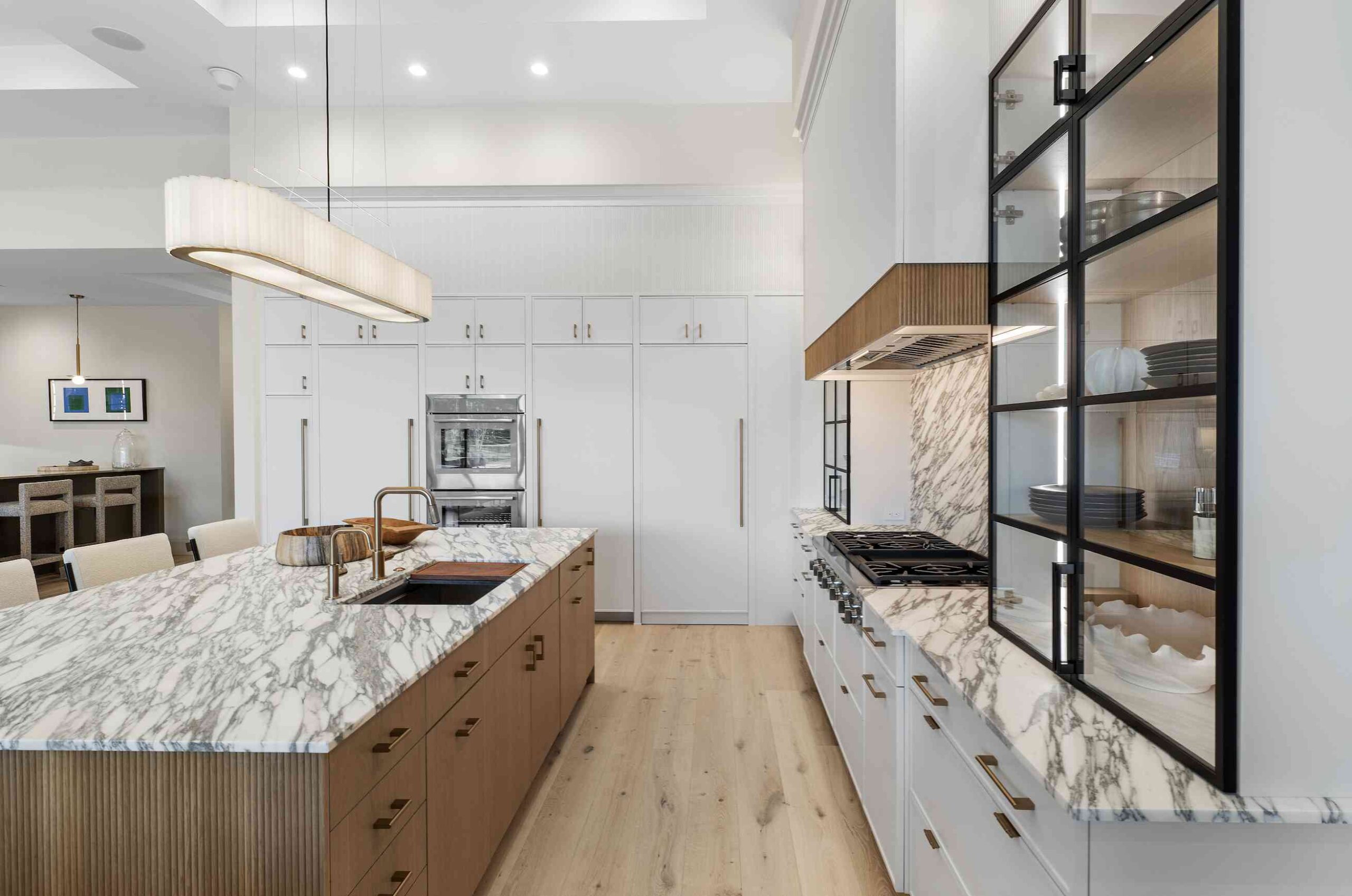
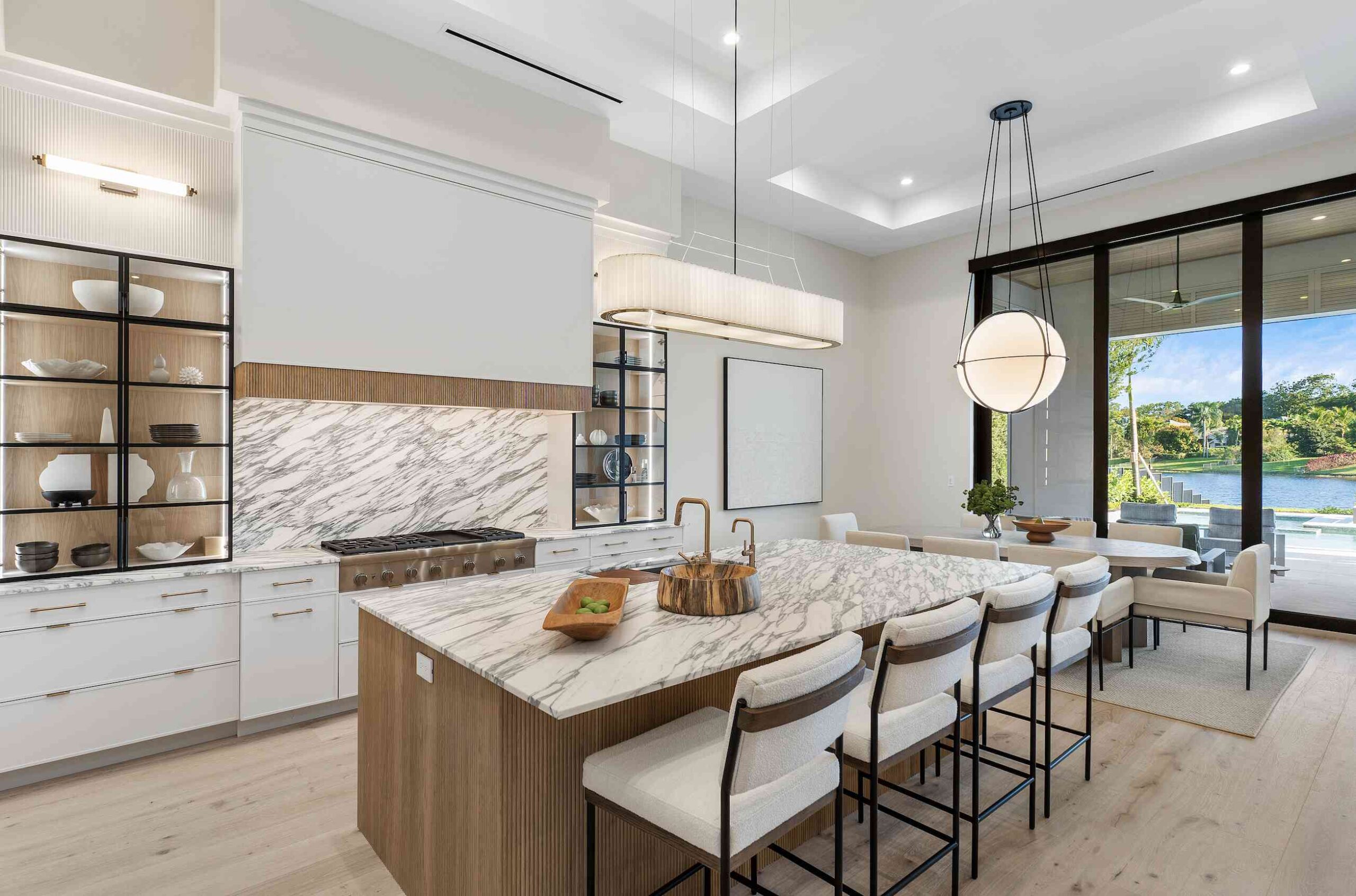
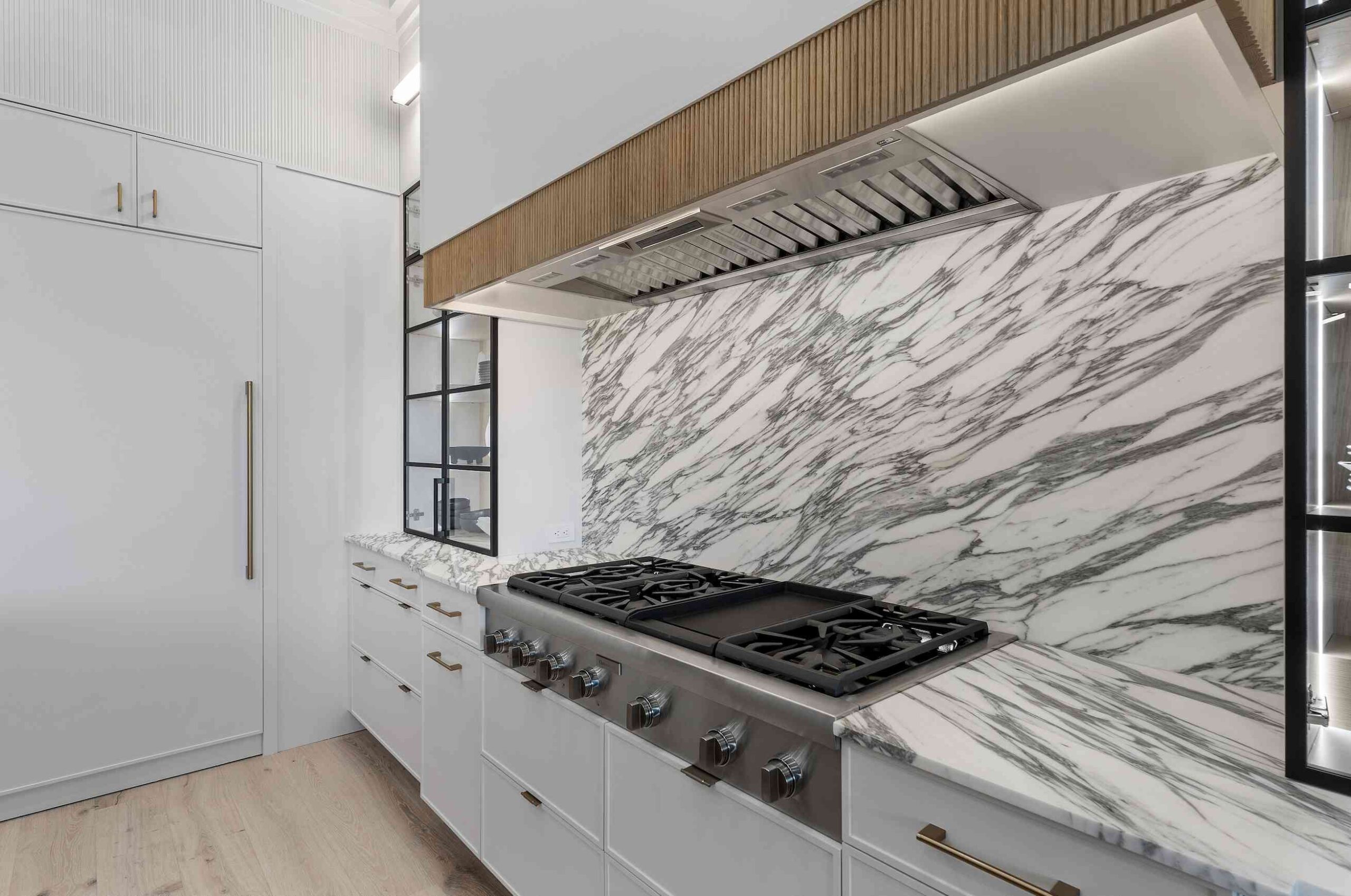
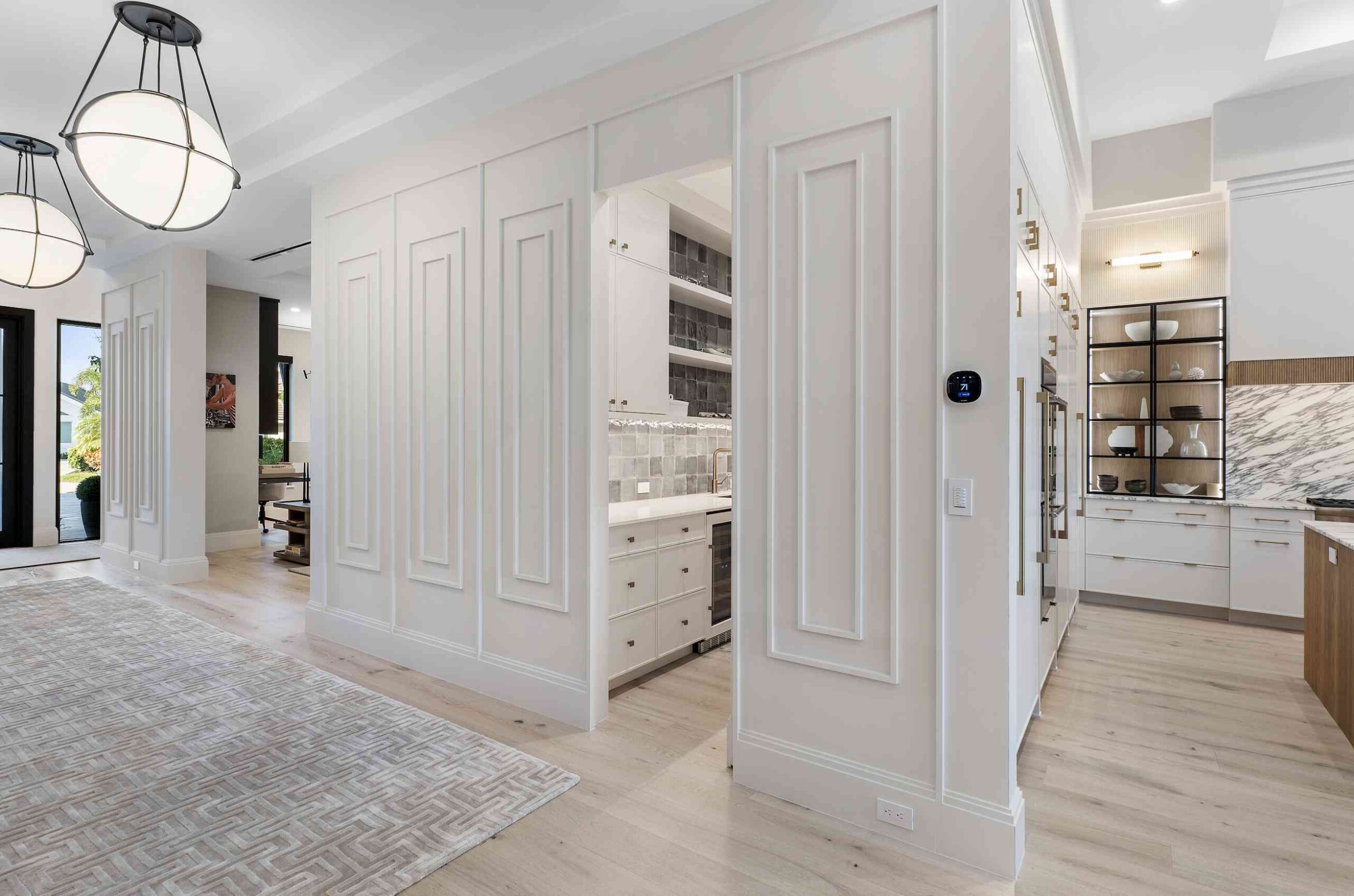
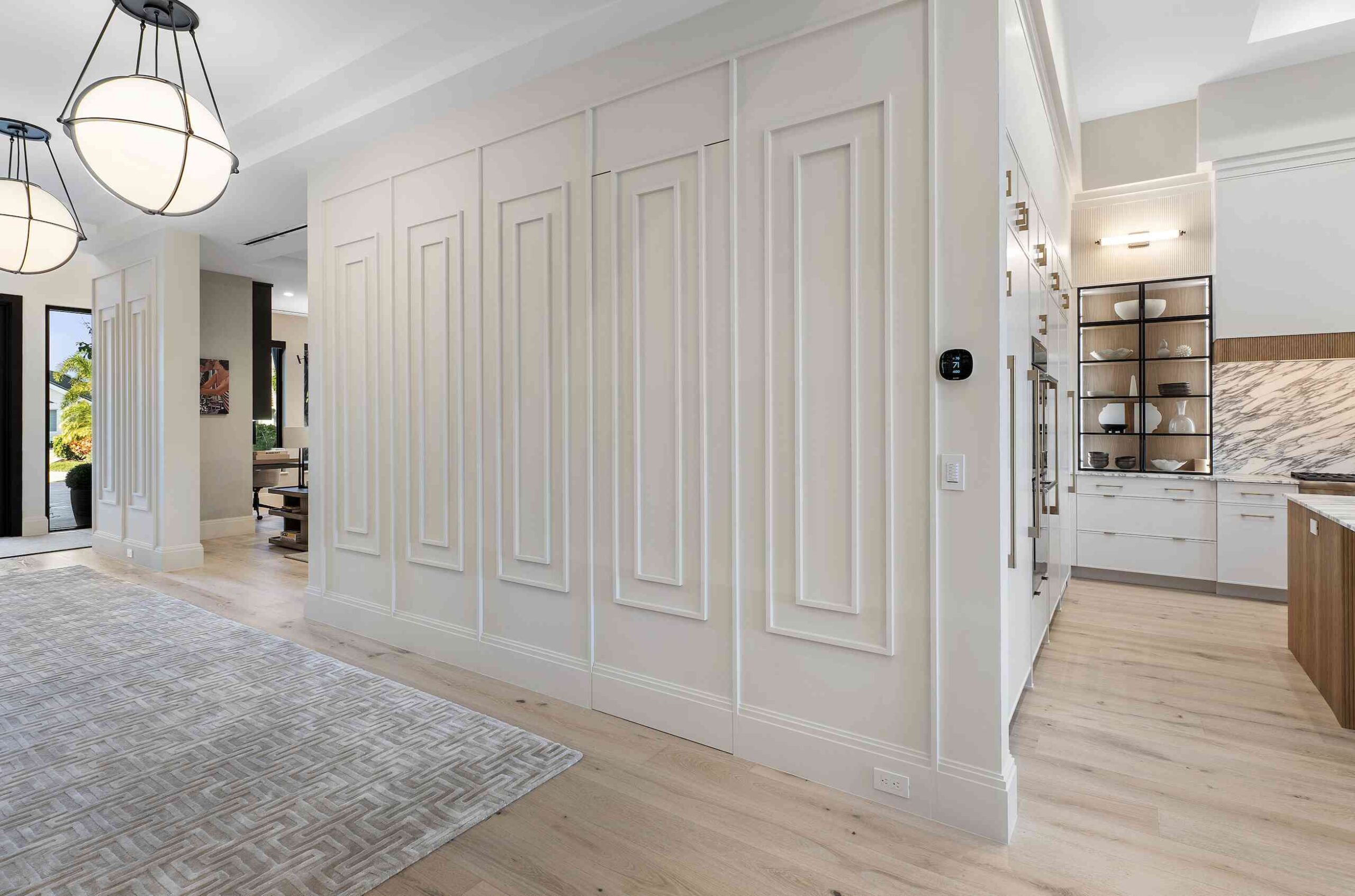
The conversation around kitchen cabinetry has shifted in a meaningful way over the last few years. Where solid wood was once treated as the only mark of a serious kitchen investment, today’s most sophisticated designers, builders, and homeowners are increasingly specifying wood veneer cabinets for their highest-end projects. The reason is simple: the technology, the aesthetics, and the practical performance of modern veneer have advanced to the point where they often outperform solid wood in the ways that matter most. For homeowners planning a kitchen renovation in 2026, understanding what veneer actually offers, and where it sits in the broader cabinet landscape, is genuinely worth a few minutes of your time.
What Wood Veneer Cabinets Actually Are
A wood veneer cabinet is built from an engineered substrate, typically high-quality plywood or MDF, with a thin layer of real hardwood bonded to the visible surfaces. The veneer layer is genuine wood, sliced from the same logs that solid wood cabinetry is milled from, then carefully matched and applied to create a continuous, beautifully grained surface across cabinet doors, panels, and finished sides.
This is a meaningful distinction. Wood veneer is not laminate, and it is not a printed lookalike. Veneer is real wood, simply applied as a thin sheet rather than used as solid lumber throughout. The visible surface you see and touch is identical in species, grain, and finish to what you would see on a solid wood cabinet of the same wood type.
The substrate underneath is where the real engineering advantages emerge. Solid wood is a beautiful material, but it is also a living one. It expands, contracts, warps, and cups in response to humidity and temperature changes. An engineered substrate, by contrast, remains dimensionally stable for the life of the cabinet, which means doors stay aligned, drawers continue closing properly, and panels do not develop the seasonal cracks that often appear in solid wood pieces over time.
Why Designers Are Specifying Veneer for Luxury Projects
For high-end kitchen design, veneer offers something solid wood cannot: continuous, perfectly matched grain across large surfaces. Premium veneer is sliced from a single log and book-matched or sequence-matched, creating doors and panels that flow seamlessly into one another. On a long run of cabinetry, particularly in modern kitchens with larger door panels and minimal hardware, this consistency is visually striking in a way that solid wood, with its inevitable variation board to board, simply cannot replicate.
Veneer also opens up species and cuts that would be prohibitively expensive or environmentally problematic in solid form. Exotic woods, highly figured grains, burls, and quarter-sawn cuts are all readily available as veneer. The same kitchen built in solid form would cost dramatically more and carry a much heavier environmental footprint.
For homeowners building toward a contemporary or modern aesthetic, this matters. The clean lines, flush surfaces, and sculptural cabinetry that define current luxury kitchens are easier to achieve, and visually stronger, in veneer than in solid wood.
Wood Veneer vs Laminate vs Solid Wood
Understanding where veneer sits between laminate and solid wood is the question most homeowners want answered. Each material has a legitimate place, and each has clear trade-offs.
Laminate is a printed photographic surface bonded to a substrate. It is the most affordable option and offers excellent durability against scratches and stains, but it is not real wood, and high-end buyers can usually tell at a glance. Laminate is a strong choice for budget-conscious renovations, rental properties, and high-traffic utility areas. Our complete breakdown of laminate vs wood cabinets covers the full cost-and-performance comparison in detail.
Solid wood is the traditional luxury choice, and it remains the right answer for certain styles, particularly heavily detailed traditional cabinetry, hand-carved elements, and pieces where the wood will be sculpted or shaped after assembly. Solid wood also handles repeated refinishing better than veneer if your long-term plan includes multiple aesthetic refreshes.
Wood veneer sits in the middle in terms of cost, but often delivers the best of both worlds. It looks identical to solid wood on the visible surfaces, performs better dimensionally, allows for design effects solid wood cannot achieve, and typically costs 20 to 35 percent less than equivalent solid wood cabinetry. For most luxury kitchens being built today, it is the smartest specification.
Practical Performance and Longevity
A common misconception is that veneer is somehow less durable than solid wood. In a high-quality cabinet from a serious manufacturer, the opposite is usually true. The engineered substrate resists warping, the veneer surface resists cupping and splitting, and the overall assembly maintains its alignment for decades.
What veneer cannot withstand is aggressive surface damage. A deep gouge into the veneer cannot be sanded out the way it can on solid wood, since you would sand through the wood layer into the substrate underneath. For most homeowners this is a non-issue: kitchen cabinets simply do not experience the kind of impact damage that would expose the substrate. But for clients who genuinely want the option of refinishing in the future, solid wood retains an advantage.
The veneer itself, when properly applied and protected with a quality finish, lasts as long as any cabinet surface in normal residential use. Premium manufacturers like Cabico back their veneer cabinetry with the same warranties as their solid wood lines, which tells you everything you need to know about the manufacturer’s confidence in long-term performance. Our overview of Cabico cabinetry explores how their veneer offerings compare across product lines.
Choosing the Right Wood Veneer for Your Kitchen
When specifying wood veneer cabinets, the decisions that matter most are species, cut, and matching pattern.
Species determines the overall look and tone. White oak remains the dominant choice for contemporary kitchens, prized for its tight grain and ability to take a wide range of stain finishes. Walnut delivers richer, warmer tones for transitional and modern kitchens. Rift-cut oak, fumed oak, and exotic species like teak or sapele bring distinctive personality for clients seeking something less common.
Cut refers to how the veneer is sliced from the log. Plain-sliced creates the cathedral grain pattern most people associate with traditional wood. Quarter-sawn produces straight, vertical grain. Rift-cut delivers an even tighter, more linear grain. Each creates a fundamentally different aesthetic.
Matching pattern determines how individual veneer pieces are arranged across cabinet faces. Book-matched mirrors adjacent pieces for a symmetric look. Sequence-matched flows the grain continuously across a run. Random-matched creates a more organic appearance. The right choice depends on the kitchen’s overall design direction, and our guide to contemporary luxury kitchen cabinets covers how these choices play out in real installations.
The best wood veneer cabinets feel inevitable once they are installed: as if the kitchen could not possibly have been built any other way. That is the mark of veneer specified well.